
The Ultimate Collection Of Foundation Repair Products
A comprehensive selection of proven products designed to address various foundation issues with confidence and ease.
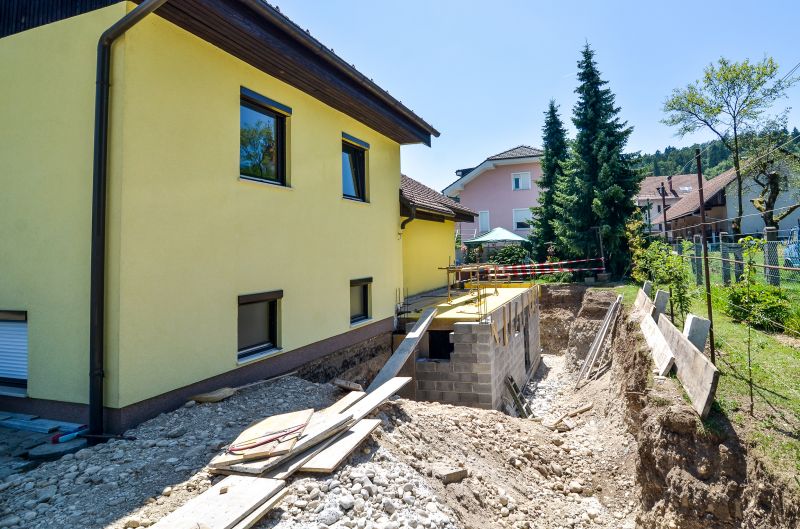 Foundation repairs are a critical aspect of maintaining the stability and safety of a structure, especially in areas prone to soil movement, moisture fluctuations, or aging infrastructure. When considering foundation repair products, it is essential to focus on options that offer durability, compatibility with existing structures, and ease of installation. Many homeowners and contractors in Murray, KY, turn to a variety of solutions designed to address different types of foundation issues, from minor settling to more significant structural concerns.
Top Overall Option
Hydraulic Piering System
A hydraulic piering system involves installing adjustable steel piers beneath the foundation to provide stable support and lift. This method is versatile and can be adapted to various foundation types and soil conditions. It allows for precise leveling and stabilization, often with minimal disruption to the property. When properly installed, hydraulic piering can help address settlement issues effectively, making it a widely used solution for foundation repairs.
Types of Products For Foundation Repairs
Concrete Piers
Concrete piers are poured or precast supports placed beneath the foundation to improve stability and load-bearing capacity.
Steel Piers
Steel piers are adjustable supports that can be driven deep into the soil to provide reliable foundation support.
Polyurethane Foam Injection
This method involves injecting foam beneath the foundation to fill voids and lift sinking sections.
Carbon Fiber Reinforcement
Carbon fiber strips or staples are used to reinforce cracked foundation walls and prevent further movement.
Sealants and Caulks
Used to seal small cracks and prevent water infiltration that can weaken the foundation.
Waterproofing Membranes
Membranes applied to the exterior or interior of foundations to prevent moisture intrusion.
Underpinning Systems
Supports that extend the foundation depth or width to stabilize and lift the structure.
Hydraulic Jacks
Devices used to lift and level sunken or uneven foundations during repair processes.
Soil Stabilizers
Chemical solutions that improve soil properties around the foundation to reduce movement.
Grout Injection
Injecting grout into soil or cracks to fill voids and reinforce the foundation structure.
Drainage Systems
Installing proper drainage to reduce water buildup around the foundation and prevent erosion.
Vapor Barriers
Materials installed to control moisture vapor transmission and protect the foundation interior.
Foundation Braces
Support braces used temporarily or permanently to stabilize walls or structural elements.
Anchor Bolts
Bolts used to secure foundation walls to the framing or other structural components.
Expanding Foam Sealants
Foam sealants used to fill gaps and cracks, providing insulation and moisture barrier.
Popular Choices
Commonly used for foundational support, especially in areas with unstable soil conditions.
Popular for their strength and adjustability in foundation stabilization projects.
Favored for quick lifts and filling voids beneath the foundation.
Often chosen for repairing cracked basement walls and preventing further cracking.
Widely used to protect foundations from water damage and moisture intrusion.
Essential for managing water flow around the foundation and reducing soil erosion.
Frequently used in conjunction with piers to lift and level foundations.
Commonly applied for minor crack repairs and sealing gaps.
Chosen for deep stabilization needs and extending foundation lifespan.
Popular for improving soil conditions around the foundation.
Used to fill voids and reinforce weak soil or cracks.
Frequently installed to control moisture levels inside basements.
Selected for immediate stabilization of walls or structural elements.
Commonly used to secure walls and prevent movement.
Popular for sealing small cracks and gaps efficiently.
The selection of appropriate products often depends on the specific problem at hand, such as cracks, shifting, or uneven settling. For example, underpinning systems can provide additional support beneath the foundation, while hydraulic jacking devices may be used to lift and level a sunken foundation. Additionally, sealants and waterproofing membranes can help prevent future damage caused by moisture infiltration. Proper assessment and consultation with foundation specialists can help determine the most suitable products for each unique situation.
While many repair products are intended for professional installation, there are also options suitable for DIY projects, provided safety precautions are observed. It is important to prioritize quality and compatibility with your home's existing materials when selecting products. Regular maintenance and inspections can prolong the lifespan of foundation repairs, ensuring the stability of your property for years to come. In Murray, KY, where soil conditions and weather patterns can vary, choosing the right foundation repair products is a crucial step toward safeguarding your investment.
Ultimately, foundation repair products should be selected based on thorough evaluation and professional guidance. While the market offers a broad array of solutions, understanding the specific needs of your foundation will help you choose the most effective and reliable options. Investing in quality products and proper installation can contribute significantly to maintaining the structural integrity of your home or building.
Key Buying Considerations
- Assess the specific foundation issues to determine the most suitable repair products.
- Consider the soil type and moisture levels in Murray, KY, as they influence product effectiveness.
- Evaluate whether professional installation or DIY methods are appropriate for your project.
- Prioritize products that are compatible with existing foundation materials.
- Check the load-bearing capacity of supports like piers and underpinning systems.
- Ensure the chosen solutions address both immediate stabilization and long-term prevention.
- Review product warranties and manufacturer specifications for durability and reliability.
- Consider ease of installation and whether specialized tools or skills are required.
- Account for potential disruption to your property during repair procedures.
- Consult with foundation repair specialists for tailored recommendations.
- Evaluate the cost-effectiveness of different repair options relative to the extent of damage.
- Look for products with proven performance records in similar soil and climate conditions.
- Assess the availability of replacement parts or additional support materials.
- Ensure compliance with local building codes and regulations in Murray, KY.
- Determine if ongoing maintenance or inspections are needed after repairs.